
 Joseph Morgan
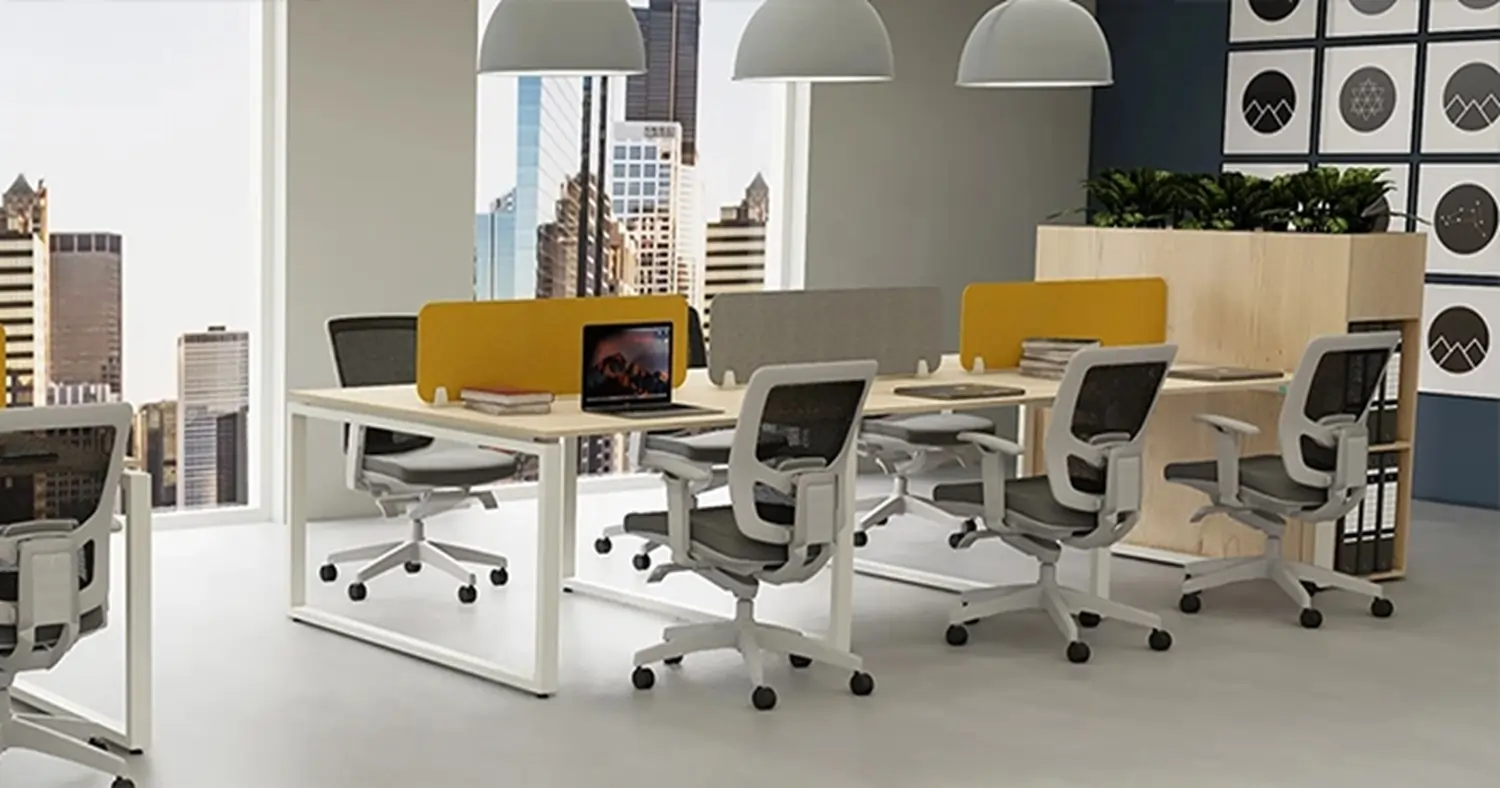
Modern office system furniture has revolutionised how businesses approach workplace design, creating integrated environments that seamlessly blend functionality, aesthetics, and employee wellbeing into cohesive workspace solutions. As Singapore’s business landscape continues evolving towards more flexible, collaborative, and technology-integrated work environments, the strategic selection of modular furniture systems becomes crucial for maintaining competitive advantage whilst fostering productivity and innovation.
Understanding Integrated Workplace Solutions
Office system furniture represents a paradigm shift from traditional standalone pieces towards comprehensive, interconnected workplace ecosystems. These modular systems integrate desking, storage, privacy screens, technology management, and collaborative spaces into unified solutions that adapt to changing business needs and work patterns.
The fundamental principle underlying system furniture design centres on modularity and flexibility. Individual components work together harmoniously whilst maintaining the ability to be reconfigured, expanded, or adapted as organisational requirements evolve. This adaptability proves particularly valuable in Singapore’s dynamic business environment, where companies frequently need to accommodate rapid growth, team restructuring, or changing work methodologies.
Unlike conventional furniture approaches that treat each piece as a separate entity, system furniture creates holistic environments where every element serves multiple functions whilst contributing to overall workspace efficiency and employee satisfaction.
The Singapore Business Case for System Solutions
Singapore’s premium commercial real estate market demands maximum space utilisation efficiency, making integrated furniture systems particularly attractive for local businesses. The ability to create more functional workspace within limited square footage directly impacts operational costs and employee productivity.
The city-state’s position as a regional business hub means companies regularly host international clients, partners, and stakeholders. System furniture enables rapid workspace reconfiguration to accommodate different meeting formats, presentation requirements, or collaborative activities without requiring permanent structural modifications.
Additionally, Singapore’s emphasis on sustainability and environmental responsibility aligns perfectly with system furniture principles. Modular designs reduce waste through extended lifecycle utility, component reusability, and reduced replacement frequency compared to traditional furniture approaches.
Key Components of Effective System Design
Comprehensive office system furniture encompasses multiple integrated elements that work synergistically to create optimal work environments:
-
Modular desking systems that accommodate individual, team, and collaborative work patterns
-
Integrated storage solutions combining personal, shared, and secure storage options
-
Technology management infrastructure including cable routing, power distribution, and device integration
-
Privacy and acoustic elements providing sound control and visual separation when needed
-
Flexible partitioning systems enabling rapid space reconfiguration without construction
-
Ergonomic accessories supporting employee health and comfort throughout the workday
-
Collaborative furniture elements facilitating both formal and informal team interactions
These components integrate seamlessly, creating environments that support diverse work activities whilst maintaining visual coherence and functional efficiency.
Flexibility and Adaptability Advantages
The rapidly changing nature of modern business demands furniture solutions that can evolve alongside organisational growth and transformation. System furniture excels in providing this adaptability through standardised connection methods, universal components, and scalable configurations.
Companies can begin with basic configurations and expand systematically as needs develop, avoiding the significant costs and disruptions associated with wholesale furniture replacement. This incremental growth capability proves particularly valuable for Singapore’s numerous startups and SMEs that experience rapid expansion phases.
The modular nature also facilitates rapid response to changing work patterns. The shift towards hybrid work models, project-based team structures, and activity-based working requires furniture that can be quickly reconfigured to support different activities throughout the day or week.
Technology Integration and Future-Readiness
Singapore’s position as a smart city pioneer means businesses must accommodate rapidly evolving technology requirements. Modern office system furniture incorporates sophisticated technology management capabilities that support current needs whilst providing flexibility for future innovations.
Integrated power and data distribution eliminate the cable chaos that characterises many traditional offices, creating cleaner, safer, and more professional environments. Built-in charging stations, USB hubs, and wireless connectivity support the multi-device reality of contemporary work whilst maintaining aesthetic appeal.
The system approach also facilitates technology upgrades without furniture replacement. As new devices, connectivity standards, or workplace technologies emerge, system furniture can be adapted to accommodate these changes through component updates rather than complete overhauls.
Health and Wellbeing Integration
Employee wellbeing has become a critical factor in Singapore’s competitive talent market, making furniture choices that support physical and mental health essential business considerations. System furniture addresses these needs through comprehensive ergonomic design and environmental optimisation.
The flexibility inherent in system design enables personalised ergonomic configurations for individual users whilst maintaining overall aesthetic coherence. Height-adjustable surfaces, monitor positioning systems, and integrated accessories support proper posture and reduce repetitive strain risks.
Dr Jennifer Lim, Singapore’s leading workplace psychology consultant, notes: “The transition to integrated office system furniture has yielded remarkable improvements in employee satisfaction and productivity metrics. Our research shows that companies implementing comprehensive system solutions report 40% improvements in space utilisation efficiency and 25% increases in employee engagement scores compared to traditional furniture approaches.”
Investment Considerations and ROI
While system furniture typically requires higher initial investment compared to basic office furniture, the total cost of ownership often favours integrated solutions when Singapore’s specific business factors are considered. The ability to reconfigure and expand without replacement costs provides significant long-term value.
Reduced downtime during office reconfigurations translates to preserved productivity and reduced business disruption costs. The professional appearance and functionality of system furniture also supports business development activities and client relationship management.
Implementation Strategy and Planning
Successful system furniture implementation requires careful planning that considers current needs, anticipated growth, and long-term strategic objectives. Professional space planning ensures optimal configuration whilst providing flexibility for future modifications.
The modular nature allows for phased implementation, spreading costs over time whilst ensuring immediate functionality improvements. This approach proves particularly valuable for growing businesses that need to balance current operational requirements with future expansion plans.
In Singapore’s competitive business environment, where operational efficiency and employee satisfaction directly impact success, investing in comprehensive office system furniture becomes essential for creating workspaces that support both current productivity and future growth aspirations.